Heesung Catalysts Presents Aftertreatment Catalyst Technologies for Ammonia-Fueled Marine Engines at Marine Engineering Conference
2026.11.10
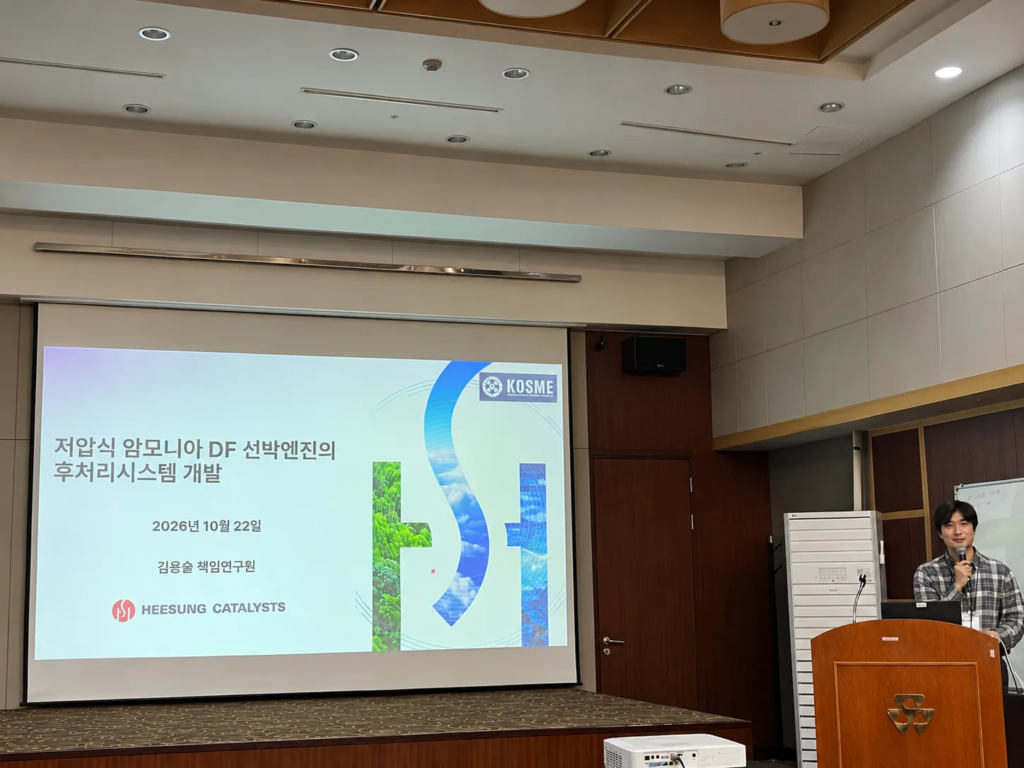
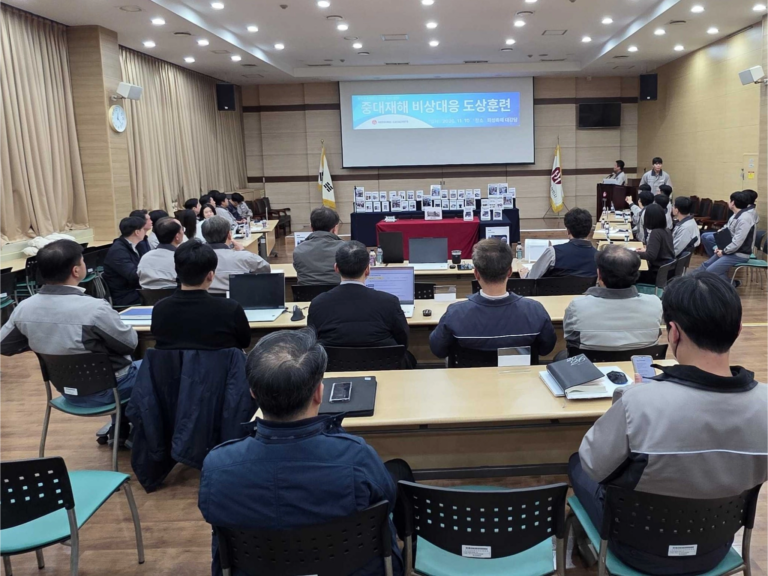
Heesung Catalysts presented its catalyst technologies and aftertreatment system development progress for ammonia-fueled marine engines at a marine engineering conference held on October 22, 2026. The presentation, titled “Development of an Aftertreatment System for Low Pressure Ammonia Dual Fuel Marine Engines,” highlighted the company’s efforts to reduce exhaust emissions from next-generation environmentally friendly vessels.
Yong Sul Kim, Senior Researcher at Heesung Catalysts, discussed the emission characteristics of ammonia-fueled marine engines and the need for advanced aftertreatment technologies. He introduced the company’s ongoing development of SCR, AOC, and DeN₂O catalysts and outlined its approach to reducing nitrogen oxides (NOx), unburned ammonia (NH₃), and nitrous oxide (N₂O).
Growing Importance of Emission Control Technologies in the Transition to Cleaner Marine Fuels
As international pressure to reduce greenhouse gas emissions intensifies, the shipping industry is accelerating its transition toward decarbonization and cleaner fuels. Ammonia has emerged as a promising next-generation marine fuel because it contains no carbon and produces no direct carbon dioxide (CO₂) emissions during combustion.
However, ammonia-fueled engines can emit nitrogen oxides (NOx), unburned ammonia (NH₃ slip), and nitrous oxide (N₂O), a potent greenhouse gas. Effective aftertreatment technologies are therefore essential to realizing the environmental benefits of ammonia as a marine fuel.
Ammonia dual-fuel (DF) engines, which operate on both ammonia and diesel, also face varying operating conditions and exhaust gas characteristics. This increases the importance of catalyst technologies that can maintain reliable emission reduction performance across a wide range of operating conditions.
Development of SCR, AOC, and DeN₂O Catalyst-Based Aftertreatment Systems
During the presentation, Kim introduced Heesung Catalysts’ SCR (Selective Catalytic Reduction), AOC (Ammonia Oxidation Catalyst), and DeN₂O (Nitrous Oxide Decomposition) technologies, along with the development progress of aftertreatment systems for ammonia-fueled marine engines.
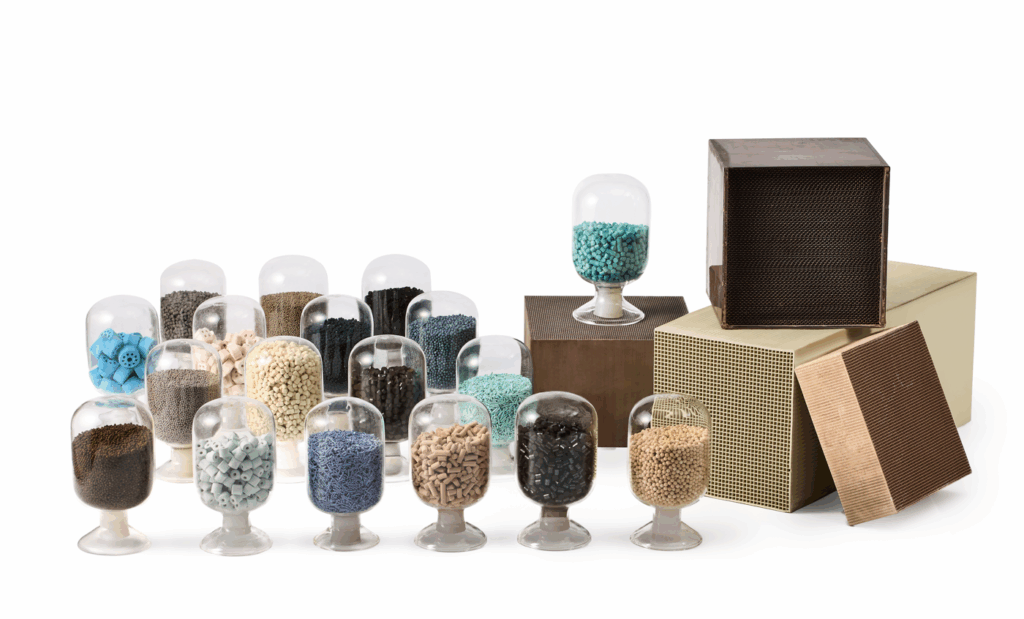
Building on its expertise in automotive emission control catalysts, Heesung Catalysts is expanding its technologies into marine exhaust gas aftertreatment applications. The company is developing catalyst systems designed to effectively reduce NOx, NH₃, and N₂O emissions from ammonia-fueled engines.
The presentation provided an opportunity to share Heesung Catalysts’ technology development direction in response to the transition toward cleaner marine fuels and to highlight its capabilities in marine exhaust gas aftertreatment.
Strong Industry Interest and Growing Need for Technical Collaboration
Heesung Catalysts’ presentation on ammonia marine engine aftertreatment technologies attracted strong interest from industry participants at the conference. Active discussions focused on emission control technologies for alternative-fuel engines, including those powered by ammonia.
As the adoption of cleaner marine fuels expands, engine manufacturers and other industry stakeholders are paying greater attention to catalyst-based aftertreatment technologies. The industry is increasingly moving beyond engine control strategies alone toward integrated emission control approaches that combine engine technologies with catalytic aftertreatment systems. This shift also highlights the growing importance of collaboration among industry partners.
“The conference confirmed the industry’s strong interest in cleaner marine technologies and exhaust emission control,” said Yong Sul Kim, Senior Researcher at Heesung Catalysts. “We will continue to share our technical expertise through academic exchanges and strengthen our competitiveness in marine exhaust gas aftertreatment systems.”
Heesung Catalysts will continue to expand technical exchanges and collaboration with key stakeholders across the marine and maritime industries while advancing catalyst solutions that support emission reduction and decarbonization in the shipping sector.
Related Information
Learn More About Our Environmental Catalysts ↗