

CES 2026: AI Beyond the Limits, Becoming Reality
2026.01.20
CES 2026 Review & Insights
The world’s largest technology exhibition, CES 2026, took place from January 6 to 9 in Las Vegas, USA. More than 4,100 companies and approximately 148,000 attendees from around the world gathered to share directions for technological innovation and emerging industry trends.
This year’s theme, “Innovators Show Up,” highlighted the presence of global technology leaders such as Google, Amazon, NVIDIA, AMD, and TCL, all of whom presented their future visions and strategic approaches to innovation.

AI Moving Beyond Adoption to Deep Integration
Artificial intelligence was undoubtedly the central theme of CES 2026. Following last year’s focus on the “everyday adoption of AI,” this year demonstrated that AI has become deeply embedded in both daily life and industrial structures, firmly positioning itself at the center of global technological competition.
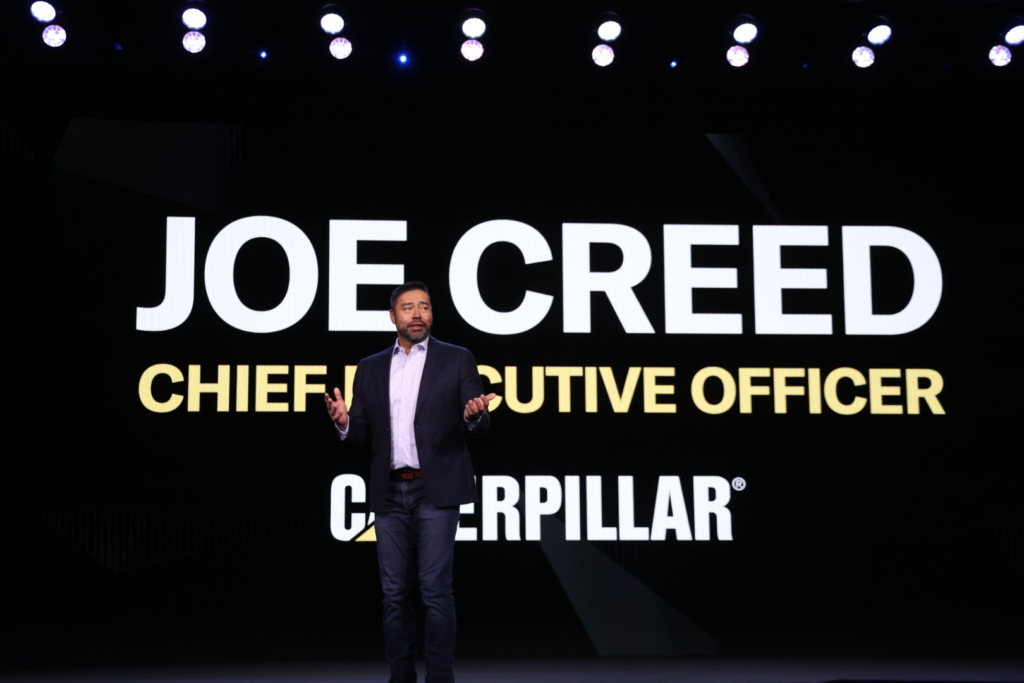
In his keynote address, Caterpillar CEO Joe Creed emphasized the message “From Dirt to Data,” stating that even industries traditionally driven by physical equipment and on-site expertise—such as construction, mining, and manufacturing—can no longer remain competitive without AI-driven data transformation. This signals a shift beyond simple automation toward a new phase in which industrial data and AI converge to redefine efficiency, stability, and productivity.
The Realization of Physical AI
One of the most notable themes at CES 2026 was the rise of Physical AI. Physical AI refers to artificial intelligence systems with a physical form that can perceive situations, make decisions, and execute actions in the real world.
Boston Dynamics, the robotics affiliate of Hyundai Motor Group, showcased its humanoid robot Atlas at CES 2026, signaling that Physical AI is entering real industrial environments and evolving into a collaborative partner for humans. The company announced plans to deploy Atlas at Hyundai Motor Group Metaplant America (HMGMA) and gradually expand its application scope, presenting a future vision centered on human–robot collaboration.
Physical AI is expected to rapidly extend beyond industrial sites into logistics, healthcare, services, and mobility, fundamentally transforming productivity, safety, and workforce utilization. Over time, it is also expected to take on a role as a true companion to humans.
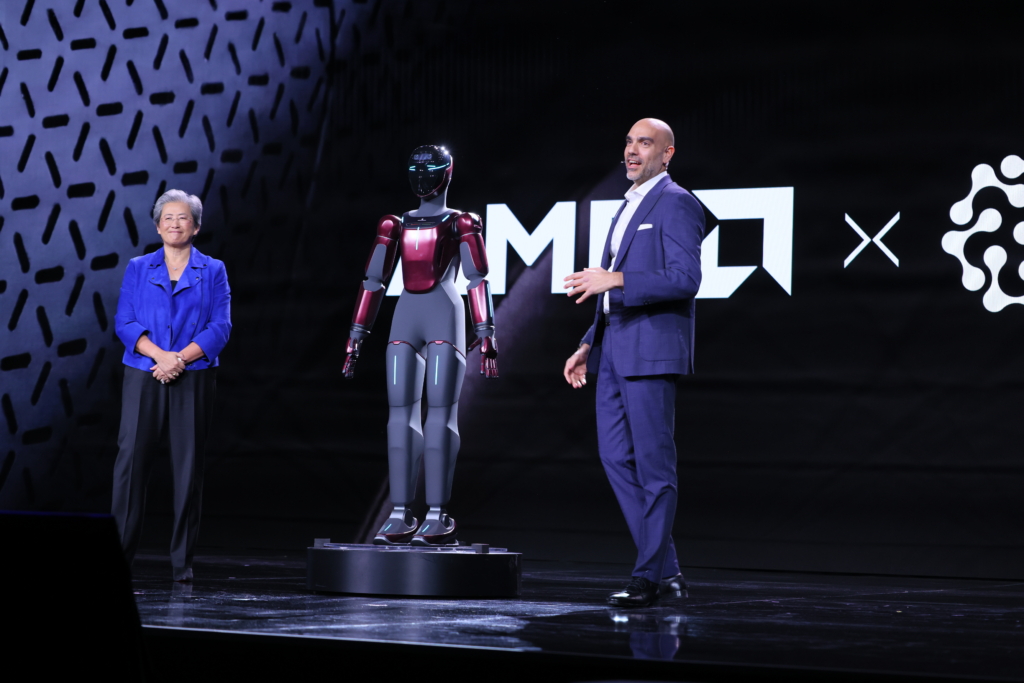
AMD CEO Lisa Su, in her keynote speech, outlined a strategy to expand AI computing across all domains—from data center accelerators and AI PC chips to industrial embedded solutions—without limiting AI to specific industries or user segments. AMD also announced its collaboration with Generative Bionics to deploy the commercial humanoid robot Gene.01 in real industrial environments, further reinforcing the sense that Physical AI is no longer a distant concept but an emerging reality.
Structural Transformation Driven by Surging AI Demand
The rapid expansion of AI is driving exponential growth in power demand, fueled by data centers, high-performance computing, and increased deployment of robotics and automation systems. As a result, energy has emerged as a decisive factor in determining the success of technological innovation. At CES 2026, next-generation energy solutions spanning residential, industrial, and mobility sectors were widely introduced, underscoring their growing importance.

Because AI infrastructure operates under constant high-load conditions, simply expanding power supply is not sufficient to ensure stable operations. If power loss, efficiency degradation, and emissions across process stages are not managed comprehensively, energy consumption structures themselves can become constraints on industrial competitiveness.
Greenhouse Gas Reduction as a Prerequisite in the New Energy Landscape
AI-driven industries inevitably face increased greenhouse gas emissions alongside rising energy consumption. As energy use grows, inefficiencies and higher emissions can place a greater burden on industrial systems. Accordingly, the importance of technologies that can effectively reduce greenhouse gas emissions and improve energy efficiency at the process level—while also addressing regulatory requirements—is increasing.
Catalyst solutions capable of operating reliably under high-temperature and high-load conditions play a critical role in supporting sustainable industrial structures demanded by AI expansion.
Process Stability Amid the Expansion of Semiconductors and Advanced Industries
The rapid advancement of AI technologies is driving explosive demand for data centers and high-performance computing, leading to increased semiconductor production. This trend extends beyond semiconductors to advanced materials, displays, batteries, and the broader electronics industry.
As production scales, the need to manage heat more stably during manufacturing processes grows, while minimizing harmful byproducts and greenhouse gas emissions becomes an increasingly important challenge under tightening environmental regulations. To meet these complex demands, the role of catalyst technologies in process stages is becoming more critical. Catalysts contribute to reducing harmful gas emissions, stabilizing reaction conditions, and strengthening climate response capabilities across industrial operations.
Technologies Shaping the Future
CES 2026 clearly demonstrated that structural transformation across industries is accelerating as AI expansion converges with energy transition and changes in manufacturing environments. Amid these shifts, Heesung Catalysts leverages its accumulated catalyst technologies and extensive experience across diverse industrial fields to deliver solutions that balance energy efficiency, environmental performance, and process stability.
Moving forward, Heesung Catalysts will continue to drive technological innovation to support sustainable industrial growth and contribute to building a better future.
