

Greenhouse Gas Abatement Catalyst
Industrial emissions of N₂O and PFCs are major targets for carbon neutrality initiatives.
Heesung Catalysts provides high-efficiency greenhouse gas abatement catalysts to support effective emission reduction across industrial processes.


PDH Catalyst
(Propane Dehydrogenation Catalyst)
Propane dehydrogenation (PDH) is a key process for propylene production.
Heesung Catalysts improves propane conversion and propylene selectivity, enhancing process efficiency and contributing to customer profitability.
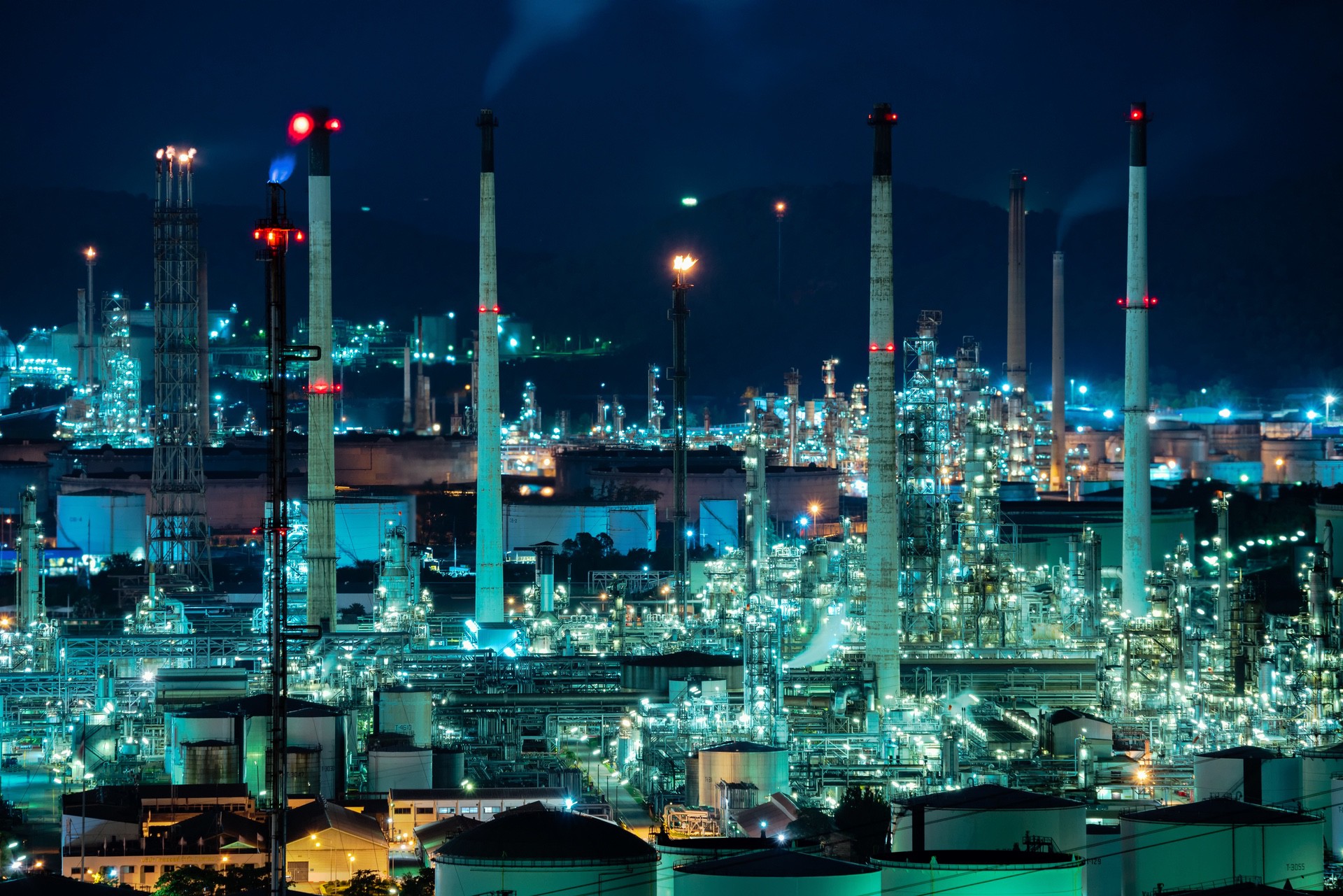
Catalyst Foundry
The value of catalyst technology is realized when stable scale-up and commercial production are achieved.
Heesung Catalysts supports market application of customer technologies through large-scale manufacturing capabilities and robust quality management systems.


Catalysts, the start of future-changing innovation
Catalysts are essential to improving the quality of our lives and creating a sustainable future.
A catalyst is more then just a material
Like a recipe, a catalyst is a substance that helps speed up or slow down a chemical reaction, making the production of the desired substance more efficient. It plays a crucial role in facilitating the reaction without changing itself.

The hidden 'catalyst' behind the development of society
Since their discovery, catalysts have allowed mankind to make significant breakthroughs.

Energy-saving
Catalysts increase energy efficiency by reducing the energy required for chemical reactions. This reduces resource waste and contributes to environmental protection.

Efficient mass production
By using catalysts, large quantities of materials can be produced in a short period, improving productivity and reducing product costs.

Environmental protection
Catalysts help prevent environmental pollution by converting harmful substances into harmless ones and reducing unwanted by-products.

Reduce process times
Catalysts can reduce chemical reaction times to increase productivity and reduce production costs.

Empowering a sustainable future with catalysts
As environmental challenges become more severe, the importance of catalysts continues to grow. Catalyst technology is essential for reducing carbon emissions and ushering in an era of eco-friendly energy.

Carbon neutrality
Catalysts are used in carbon capture and conversion technologies, contributing to the reduction of carbon emissions.

Hydrogen energy
Catalysts are used in hydrogen production and fuel cell reactions, leading the way to a clean energy era.

Developing eco-friendly materials
Catalysts contribute to developing eco-friendly materials and solving plastic-related issues.
Together, we are creating the future
Through continuous research and development, we are developing more efficient and eco-friendly catalyst technologies.
Through our catalysts, we aim to contribute to creating a healthier and more sustainable future for humanity.
Small changes, big impact for a net-zero society
Heesung Catalysts provides innovative catalyst solutions to tackle environmental challenges and prepare for the era of carbon neutrality.
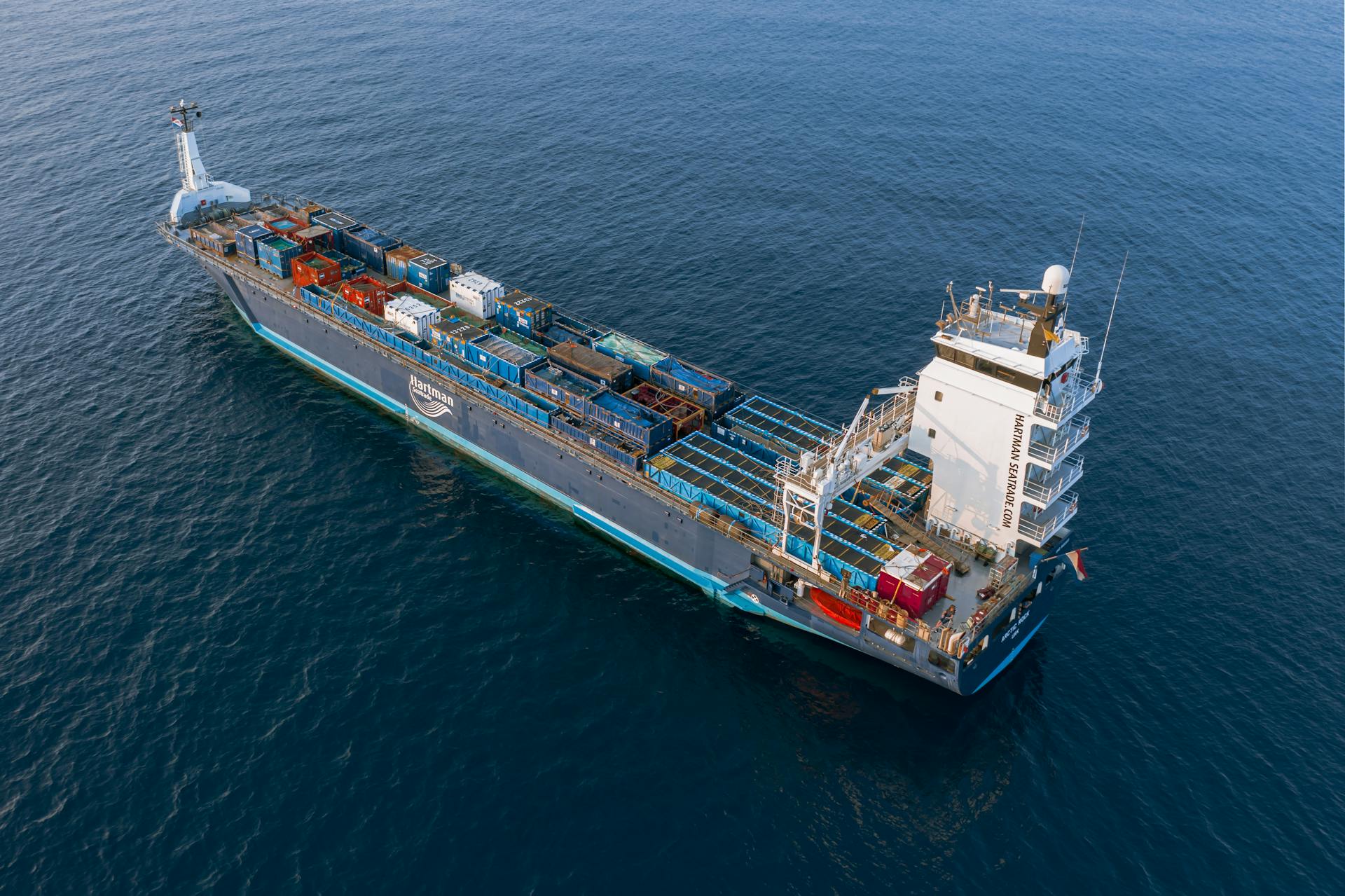
Emission regulation solutions
Emission regulation solutions contribute to achieving carbon neutrality by developing catalyst technologies that reduce greenhouse gases across various industrial sectors, including semiconductor manufacturing, display production, and marine engines.

Climate response solutions
Climate response solutions improve air quality by providing catalysts that convert harmful carbon dioxide emissions into harmless substances like water and nitrogen. These solutions are applied in petrochemical plants, ceramics/drying processes, power plants, printing industries, and steel mills.

Heesung Catalyst’s Environmental Catalysts
Heesung Catalyst’s environmental catalyst helps reduce air pollutants and create cleaner air. By lowering carbon emissions and improving resource efficiency, we lead the way in building a sustainable future.
Through continuous research and development, Heesung Catalysts strives to deliver more efficient and eco-friendly catalyst technologies, providing solutions for a better tomorrow.
Small changes can come together to create a big miracle for our planet. Let’s create a brighter future with Heesung Catalysts.
Heesung catalysts enabling a hydrogen society
Hydrogen is the key to the future of energy. To advance the hydrogen economy, Heesung Catalysts focuses on electrocatalysts, the key catalysts for fuel cells and hydrogen production systems.

Electrocatalysts: the heart of hydrogen energy
The electrode catalyst is the heart of the hydrogen energy system. Like a spark plug in a car engine, an electrode catalyst quickly accelerates the reaction between hydrogen and oxygen to produce electricity, or it splits water to produce hydrogen. It can be said that the performance of the electrode catalyst determines the efficiency and economic feasibility of the hydrogen energy system.
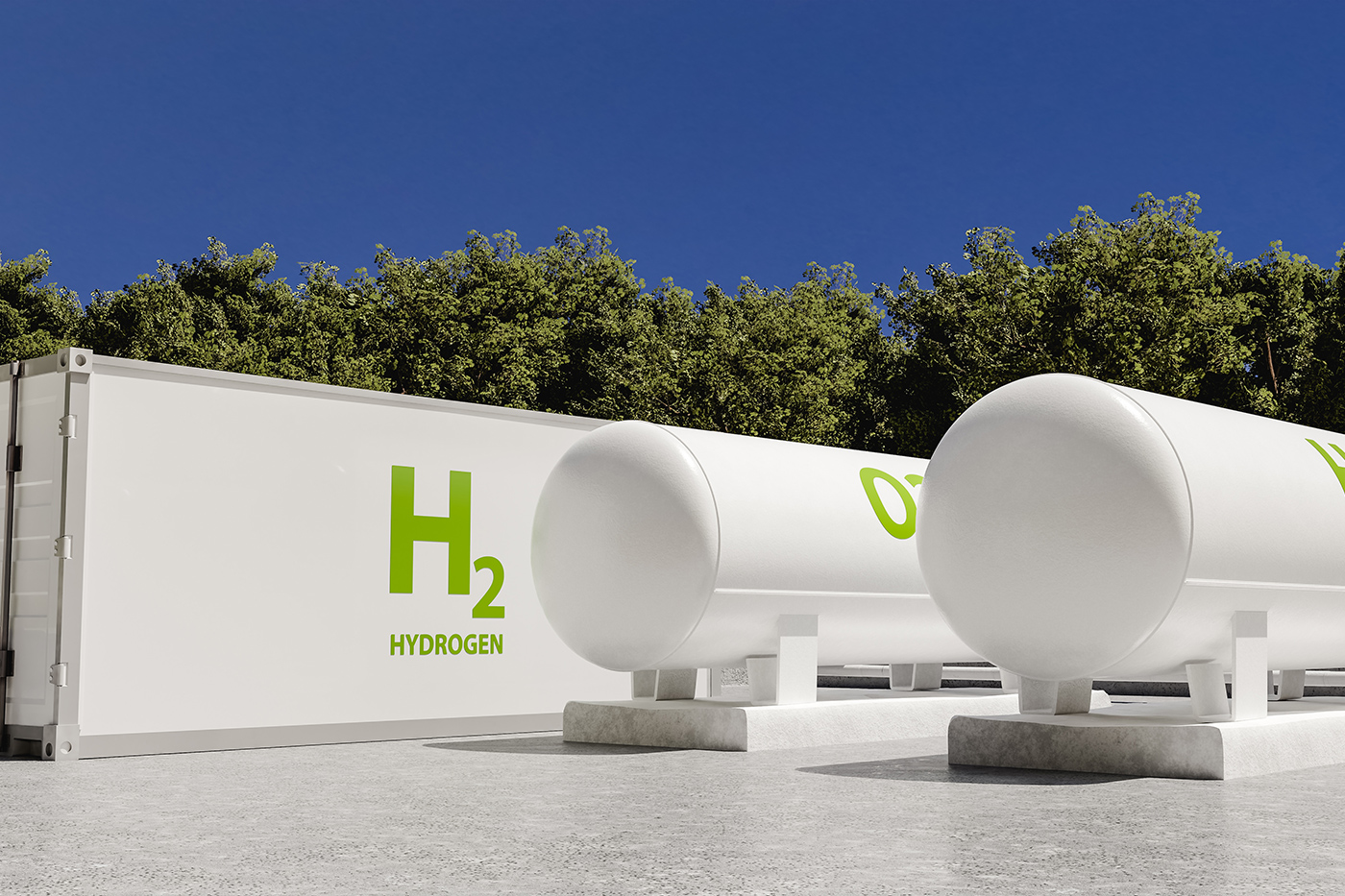
Electrocatalysts from Heesung Catalysts, a key technology for the hydrogen society
Heesung Catalysts develops a wide range of electrocatalysts for fuel cells and water electrolysis systems. Our electrocatalysts are a key technology to accelerate the commercialization of the hydrogen economy. We maximize the performance of electrocatalysts through cutting-edge material technology and process technology to increase energy efficiency and reduce costs. We will continue to develop more efficient and environmentally friendly electrocatalyst technology through continuous research and development, and become the best partner for the hydrogen society.
We provide foundry solutions for optimal catalysts
Turning your ideas into reality with Custom Catalysts
With over 40 years of expertise in catalyst technology and know-how, Heesung Catalysts has pioneered a new era of catalyst services, offering customized catalyst development and production solutions.
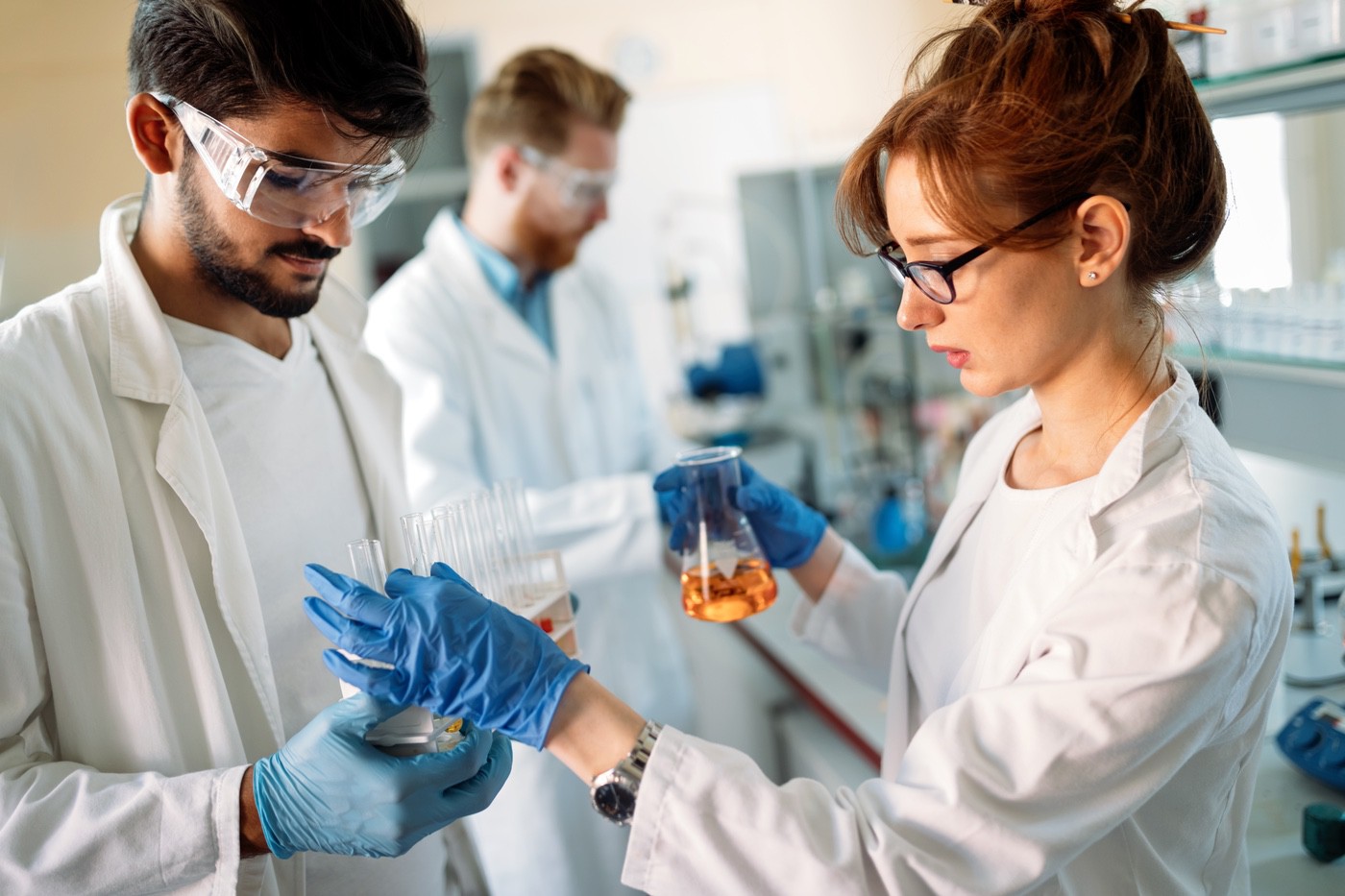
Heesung Catalysts custom catalyst
- Optimal catalyst solutions to realize your ideas: We design and produce optimal catalysts according to your desired performance and conditions.
- Support for various stages of development: We provide customized services according to your needs, from catalyst evaluation to scale-up and mass production.
- With over 40 years of expertise and know-how in catalyst technology, Heesung Catalysts guarantees the highest quality to customers by leveraging its accumulated technical skills and experience.
- World-class production facilities: Our state-of-the-art production facilities and strict quality control system ensure stable catalyst supply.
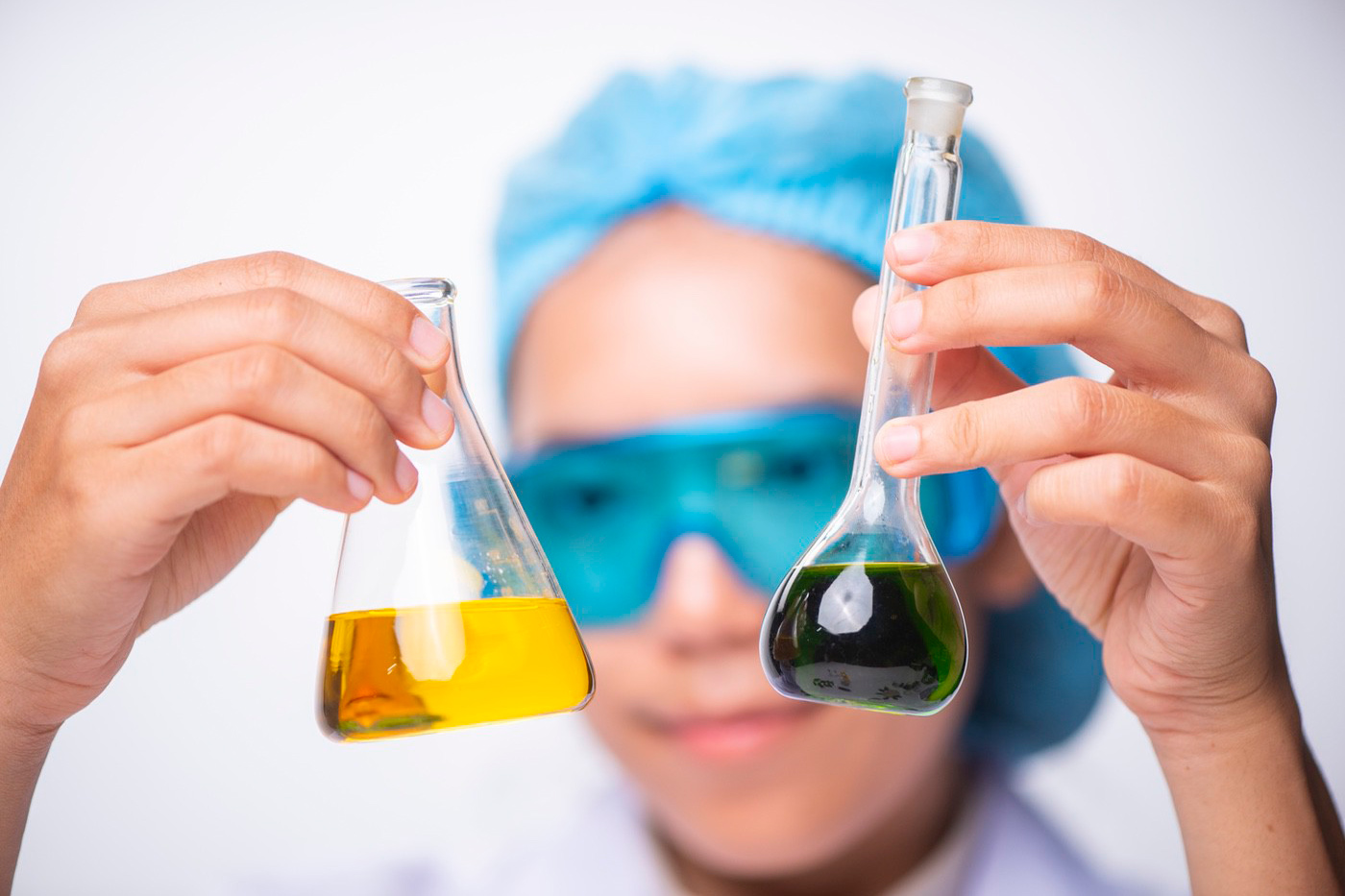
Why Choose Heesung custom catalyst?
- Save time and costs: reduce time and expenses in catalyst development and reach the market faster.
- Develop custom catalysts: develop optimized catalysts to meet your specific requirements.
- Ensure reliable quality: Heesung Catalyst’s strict quality control system ensures that you receive catalysts of uniform and stable quality.
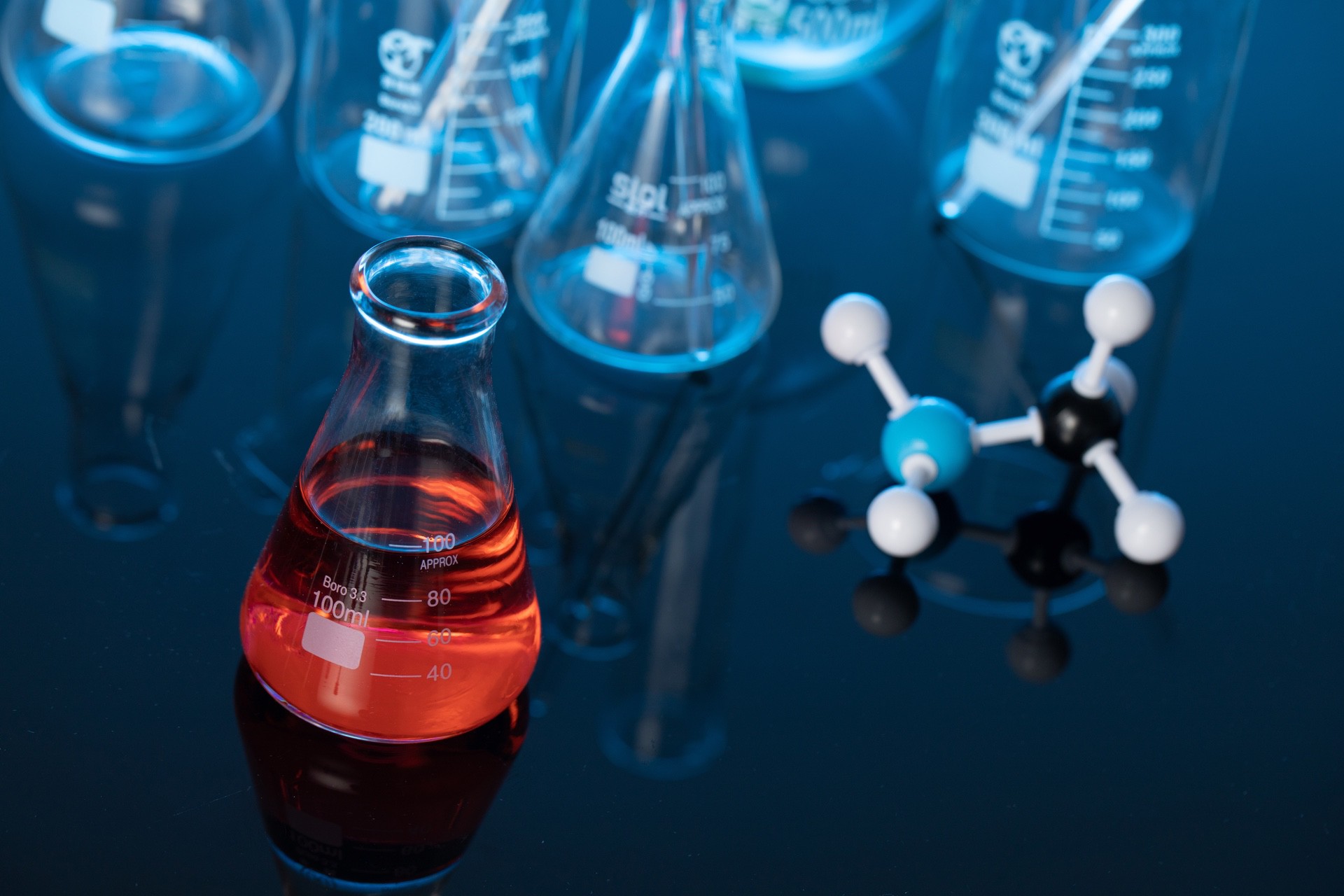
Heesung custom catalyst service scope
- Catalyst design and co-development: Design and co-develop optimal catalysts according to customer requirements
- Catalyst evaluation: Evaluate and analyze the performance of developed catalysts to find the optimal conditions
- Catalyst scale-up: Scale up lab-level catalysts to mass production
- Catalyst mass production: Supply customer-developed catalysts in mass production on an OEM basis
