

Korea’s 7 SEED Projects and Future Growth Engines: Catalyst Solutions That Bring Technology to Industry
2026.10.16
Key Takeaways
- Three areas and key directions of Korea’s 7 SEED Projects for future growth engines
- PEMWE electrocatalysts that improve hydrogen production efficiency and carbon-supported precious metal catalysts that control reactions in chemical and pharmaceutical processes
- Stronger manufacturing capabilities through the Catalyst Foundry, which links development and production, and better resource utilization through precious metal recycling management
On August 12, 2026, the Korean government presented seven advanced technology fields as next-generation growth engines for the next 10 to 20 years at the “Future Growth Engines: 7 SEED Projects” briefing. The seven fields are small modular reactors (SMRs), nuclear fusion, breakthrough renewable energy, quantum technology, space and aviation, advanced biotechnology and advanced supply chains.
What role will catalyst technologies play as these industries grow? In this article, we look at the key directions of the 7 SEED Projects and how Heesung Catalysts’ solutions support the development of advanced industries.
What Are the 7 SEED Projects? Seven Growth Engines for Future Industries
The 7 SEED (Strategic Emerging Engines for Disruptive innovation) Projects are national initiatives to develop advanced technologies into future growth engines, with a focus on strategic investment in fields that will drive disruptive innovation. The government organizes the seven fields into three areas: Future Clean Energy, Next-Generation Frontiers and Foundation for a Great Leap.
Future Clean Energy aims to develop energy sources that meet rising power demand while supporting carbon neutrality. Next-Generation Frontiers leads technological innovation and new market creation in computing, space and biotechnology, while Foundation for a Great Leap strengthens advanced supply chains to ensure a stable supply of the critical minerals and materials, parts and equipment that industries need.
| Area | 7 SEED | Key Directions |
|---|---|---|
| Future Clean Energy | SMRs | Commercialize the light-water innovative SMR (i-SMR) by 2035; begin construction of non-light-water SMRs in the 2030s |
| Nuclear fusion | Develop a Korean innovative fusion reactor and demonstrate power generation in the 2030s | |
| Breakthrough renewable energy | Develop ultra-high-efficiency solar cells, improve the economics of wind power, achieve domestic production of water electrolysis systems and industrialize next-generation power grids | |
| Next-Generation Frontiers | Quantum | Secure a domestically developed, error-correctable 100-qubit quantum processor by 2029, strengthen quantum chip manufacturing capabilities and build integrated quantum cryptography and post-quantum cryptography infrastructure |
| Space and aviation | Launch a lunar lander in 2030, build an independent low Earth orbit satellite communications network by 2035 and co-develop next-generation commercial aircraft with international partners | |
| Advanced biotechnology | AI-driven drug discovery, commercialization of gene and cell therapies, construction of biofoundries and commercialization of brain-computer interface (BCI) products by 2035 | |
| Foundation for a Great Leap | Advanced supply chains | Refine and recycle critical minerals, and support the development, demonstration and commercialization of materials, parts and equipment technologies |
The Role of Catalysts in Future Industries
In the industries fostered by the 7 SEED Projects, catalyst technologies can be applied in clean hydrogen, chemical and pharmaceutical processes, materials industrialization and precious metal recycling. Electrocatalysts and process catalysts accelerate the reactions that produce hydrogen and synthesize pharmaceutical ingredients, while the Catalyst Foundry handles the scale-up of newly developed catalysts. Precious metal recycling management recovers and refines the metals remaining in spent catalysts and resupplies them as catalyst raw materials.
1. Water Electrolysis Electrode Catalysts: Improving the Efficiency of Clean Hydrogen Production
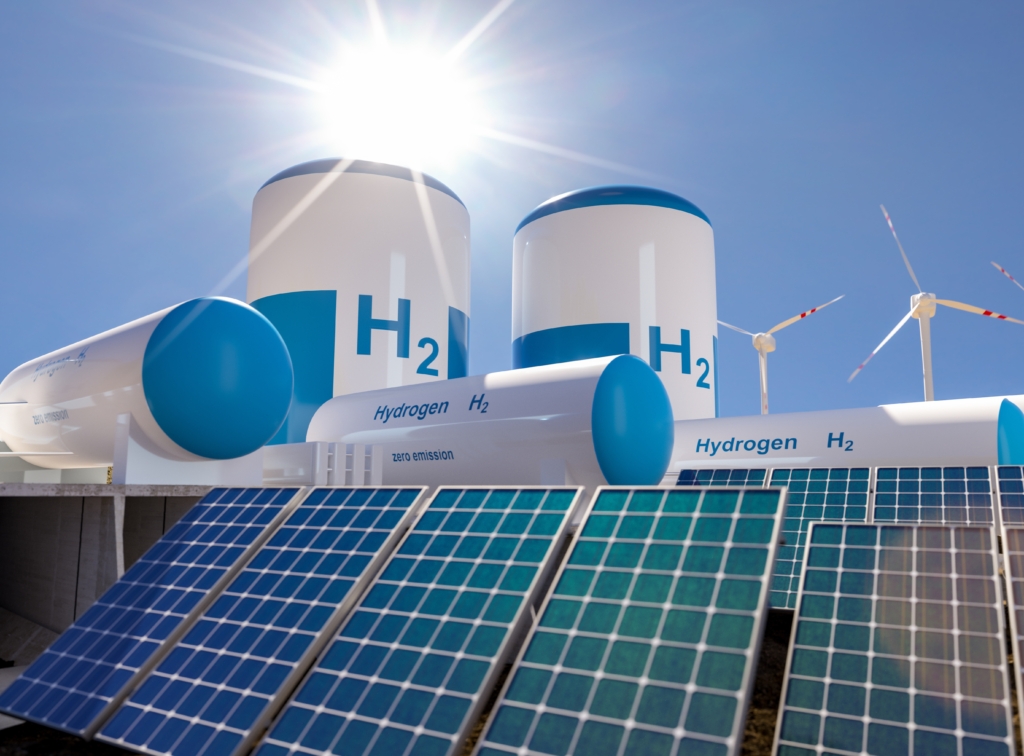
The breakthrough renewable energy field identifies clean hydrogen production through water electrolysis as a key task.
Key Targets for Water Electrolysis
- Develop a 5 MW proton exchange membrane water electrolysis (PEMWE) system (2025–2029)
- Demonstrate 50–100 MW water electrolysis from 2028
- Achieve domestic 10 MW water electrolysis technology by 2030
Water electrolysis splits water into hydrogen and oxygen using electrical energy. When powered by electricity from solar or wind, it produces hydrogen based on renewable energy. Electrocatalysts reduce energy losses in the hydrogen and oxygen evolution reactions, enhancing electrolysis efficiency.
Building on our expertise in catalysts and precious metal materials, Heesung Catalysts develops and supplies electrocatalysts for PEM water electrolysis(PEMWE). In PEMWE, iridium (Ir)-based catalysts are used at the anode, where oxygen is produced, and platinum (Pt)-based catalysts at the cathode, where hydrogen is produced. These electrode materials are essential to building PEMWE. As iridium and platinum are precious metals in limited supply, Heesung Catalysts applies alloy catalyst technology to enhance catalyst activity and durability.
2. Carbon-Supported Precious Metal Catalysts That Control Reactions in Chemical and Pharmaceutical Processes
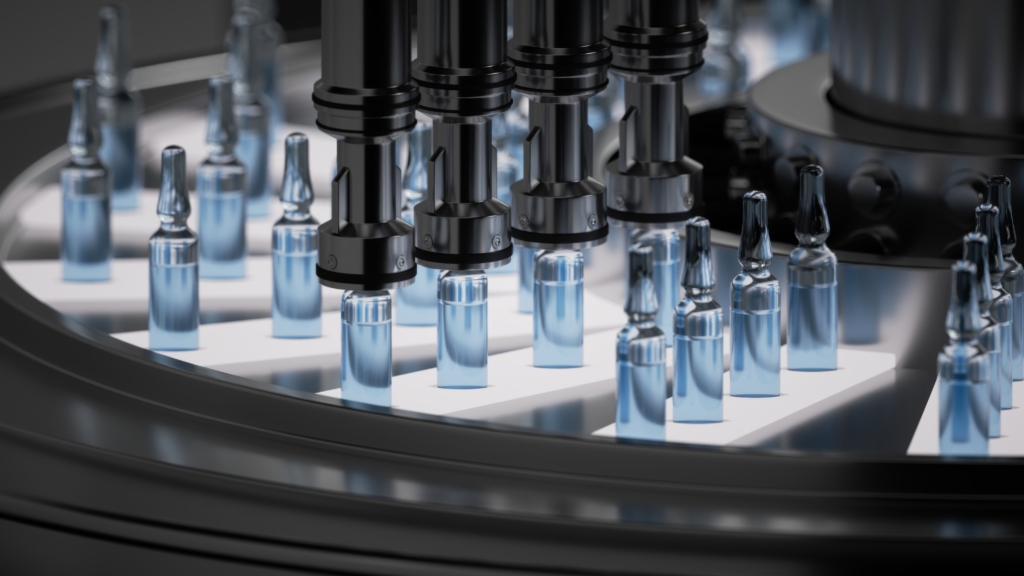
In advanced biotechnology, key strategies include AI- and robotics-driven drug discovery and more advanced technologies for therapeutic validation and production. Process catalysts are used in the drug manufacturing steps that require chemical synthesis.
When a drug candidate discovered by AI is a small-molecule compound, its intermediates and active pharmaceutical ingredients (APIs) are synthesized through multiple chemical reaction steps. Two factors must be managed together: conversion, the share of feed material that actually reacts, and selectivity, the share of reacted material that becomes the target product. Choosing a catalyst suited to the target promotes the desired reaction and reduces byproduct formation.
Heesung Catalysts supplies palladium on carbon (Pd/C) and platinum on carbon (Pt/C) catalysts for the fine chemical and pharmaceutical industries. These catalysts consist of precious metals dispersed on a carbon support and, depending on the catalyst type and process conditions, are used in reactions such as hydrogenation, coupling and isomerization. Even with the same precious metal, performance varies with metal loading, particle size, dispersion and support properties, so each factor must be tailored to the target product and operating conditions.
3. Catalyst Foundry: Turning Research Results into Products
The 7 SEED implementation plan covers both building infrastructure for the demonstration and commercialization of materials, parts and equipment technologies and strengthening scale-up systems that bring advanced technologies to market. For advanced supply chains, the plan names facilities such as the Future Battery Materials Demonstration Center in Gwangyang and the Extreme Materials Testbed in Changwon as examples of this infrastructure.
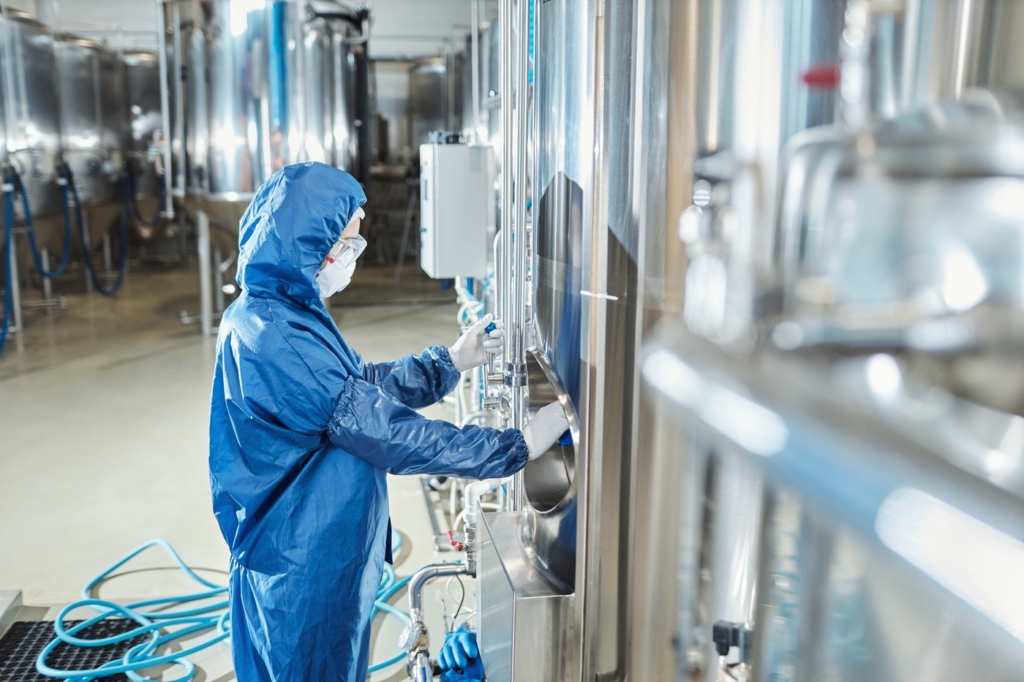
To bring catalysts or materials proven in the lab to market, consistent quality must be maintained even as production grows. Scale-up is the process of adjusting process conditions to fit the equipment, verifying quality reproducibility and increasing production volume.
Through the Catalyst Foundry, Heesung Catalysts manufactures catalysts developed by customers and co-develops the related processes. We review suitable conditions at the pilot stage and, drawing on our facilities and accumulated experience, work with customers from scale-up through commercial production. For materials that our existing facilities and processes can handle, we can expand collaboration to advanced materials such as battery and energy materials.
4. Precious Metal Recycling Management: Extending the Value of Resources
In the advanced supply chain field, the government plans to expand domestic processing capabilities through critical mineral refining and recycling. Recovering resources already used in industry and supplying them again as raw materials is in line with this policy direction.
Platinum and palladium, both used in catalysts, are among the 33 critical minerals designated in the government’s 2023 Critical Minerals Security Strategy. Because platinum is also used in the water electrolysis electrode catalysts discussed above, recovering and reusing precious metals becomes more important as the clean hydrogen industry grows. Spent catalysts still contain precious metals such as platinum, palladium and rhodium (Rh), which can be recovered, refined and used again as raw materials for new catalysts.
Heesung Catalysts operates a precious metal recycling management system that covers the entire cycle: manufacturing new catalysts, their use, collecting spent catalysts, recovering and refining precious metals and reintroducing them into production. This system improves the utilization of precious metals used in industry and contributes to the recycling of critical minerals.
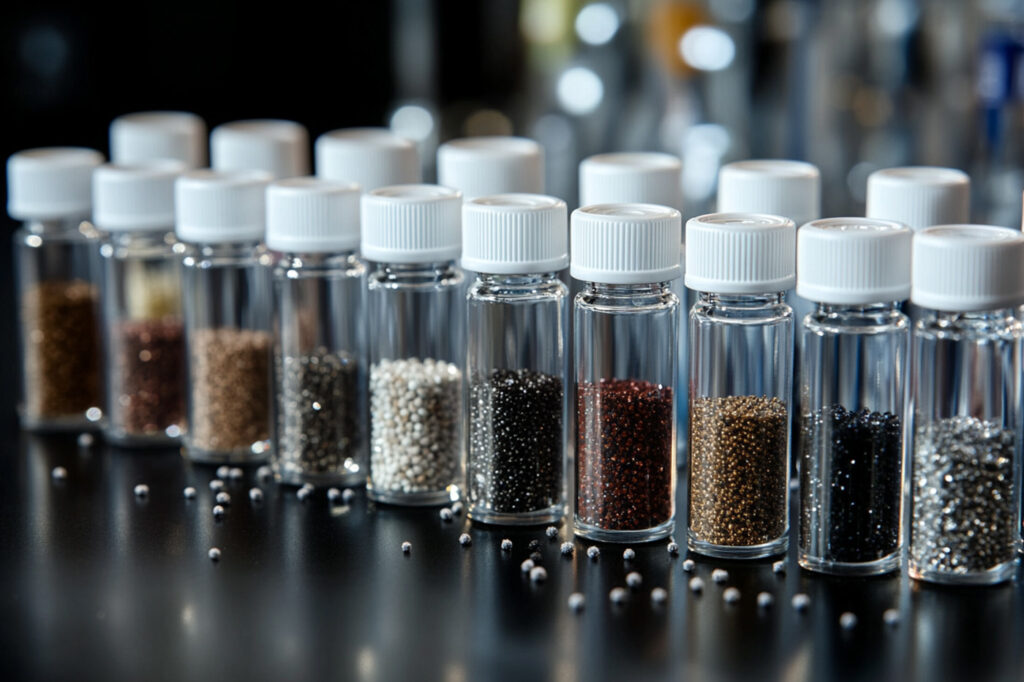
Heesung Catalysts’ Solutions for Bringing Technology to Industry
The industrial growth envisioned by the 7 SEED Projects takes shape as research results become products and resources are used efficiently.
Heesung Catalysts aims to be a Catalysis-driven Solution Provider that solves customers’ process challenges. From supplying catalysts tailored to each industry’s characteristics and operating conditions to commercialization and resource recycling, we will deliver the solutions our customers need for their business.

FAQ
Q1. What are the 7 SEED Projects?
They are advanced technology development initiatives that the Korean government announced in August 2026 to secure growth engines for the next 10 to 20 years. The projects support R&D, demonstration and commercialization across seven fields: SMRs, nuclear fusion, breakthrough renewable energy, quantum technology, space and aviation, advanced biotechnology and advanced supply chains.
Q2. What role do water electrolysis electrode catalysts play?
PEMWE splits water across a proton exchange membrane. Because it responds quickly to changes in power input, it is well suited to solar and wind power, whose output fluctuates. However, the electrodes are exposed to a strongly acidic environment and high voltages, so precious metals such as iridium and platinum, which resist corrosion and stay active under these conditions, are used as catalysts. Heesung Catalysts develops and supplies PEM water electrolysis electrode catalysts designed for these conditions.
Q3. Why are carbon-supported precious metal catalysts used in pharmaceutical processes?
Carbon-supported precious metal catalysts such as Pd/C and Pt/C accelerate reactions like hydrogenation and coupling, which are used to synthesize pharmaceutical ingredients and intermediates, while suppressing byproduct formation. Because the precious metal is evenly dispersed on a high-surface-area carbon support, these catalysts achieve high activity with a small amount of metal. As solid catalysts, they are also easy to separate from the product after the reaction. The appropriate metal type and loading depend on the target product and reaction conditions.
Q4. What is the Catalyst Foundry?
It is a service that mass-produces catalysts developed by customers using Heesung Catalysts’ process technologies and facilities. Heesung Catalysts supports process co-development, pilot production, scale-up and commercial production, helping turn research results into finished products.
Q5. How are precious metals in spent catalysts reused?
Precious metals that remain in spent catalysts, such as platinum, palladium and rhodium, are recovered and refined, then reintroduced as raw materials for new catalysts. This process improves the utilization of limited resources.
