

Heesung Catalysts Advances Safety Culture Through ‘Safety 100’ Initiatives
2026.06.04
Following the launch of its Safety 100 campaign in March, Heesung Catalysts has been carrying out a variety of initiatives aimed at strengthening its workplace safety culture.
Safety 100 was established with the belief that safety should not be viewed as the responsibility of a specific department, but rather as a culture built and sustained by all employees. To support this goal, Heesung Catalysts has been implementing a range of activities, including workplace organization through 3J5S, risk assessment and safety training, field-centered inspections, and hazard identification programs.
In this update, we would like to share some of the key Safety 100 activities and the positive changes taking place across our workplaces.
Building the Foundation for a Safer Workplace Through 3J5S
Safety does not begin only with large-scale investments or sophisticated systems. Identifying and improving small hazards in everyday work environments is equally important in preventing accidents and creating a safer workplace.
With this perspective, Heesung Catalysts selected 3J5S as one of the core initiatives of Safety 100.
3J5S is a workplace organization methodology designed to improve productivity and safety by systematically organizing, cleaning, and managing work environments. It combines the principles of the Toyota Production System’s 5S methodology with the concept of “3J,” which focuses on efficient material and workspace management.
As part of Safety 100, Heesung Catalysts revisited the importance of 3J5S as a fundamental element of workplace safety and launched a series of practical activities to encourage employee participation.
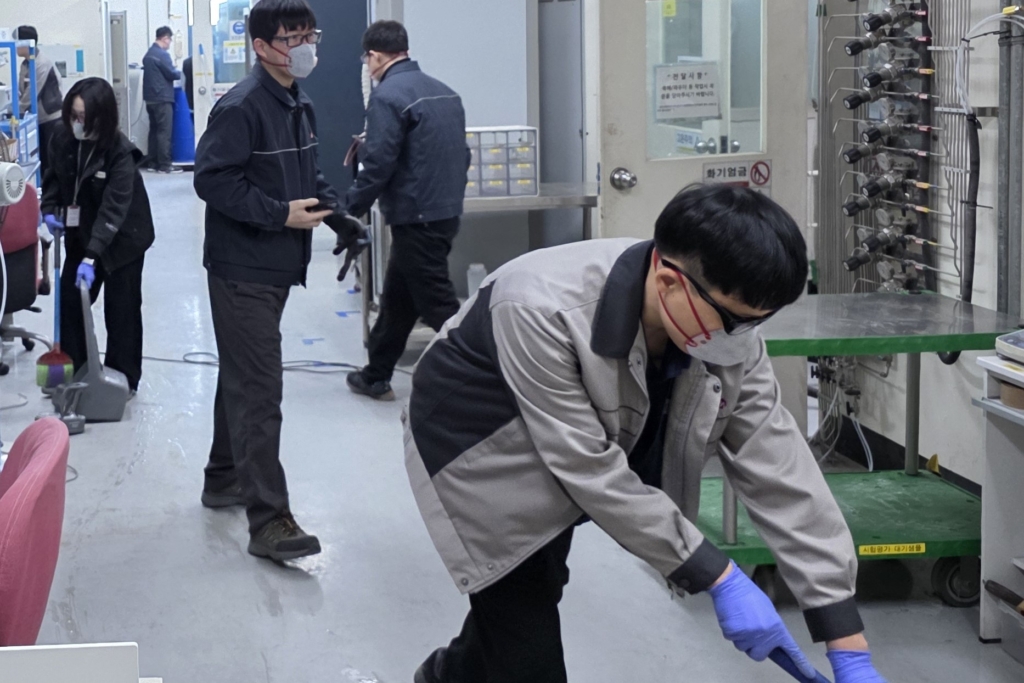
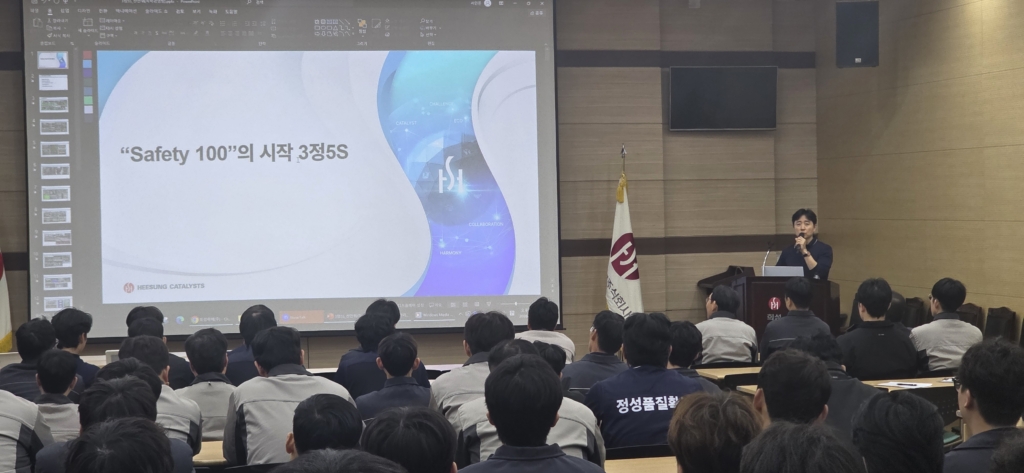
On March 23, all employees participated in a 3J5S training session featuring audiovisual materials and best-practice case studies, helping employees better understand how to apply the principles in their daily work.
Each department also developed action plans covering sorting, organizing, cleaning, and visual management activities. Teams reviewed unused materials, equipment, and long-stored items, prioritized areas requiring improvement, and carried out workplace organization activities accordingly.
In addition, work areas, storage zones, and pathways were clearly marked through updated floor markings and visual signage. These improvements help employees locate materials more efficiently, prevent potential hazards such as blocked walkways, and maintain workplace standards consistently across different areas.
Regular workplace inspections and employee discussions continue to identify improvement opportunities and support the creation of a safer and more efficient working environment.
Strengthening Safety Awareness Through Education and Experience
Preventing accidents before they occur is always more effective than responding after the fact.
To help employees proactively identify and address workplace hazards, Heesung Catalysts has continued to expand its safety education programs.
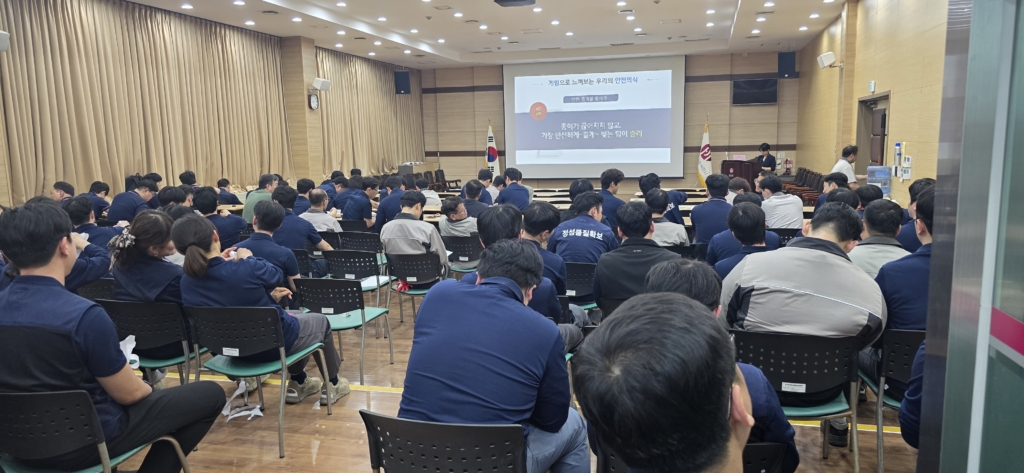
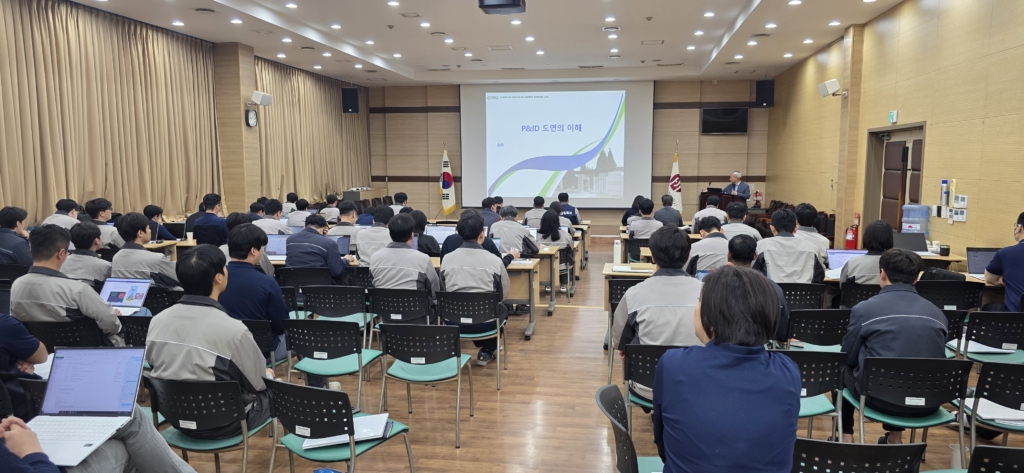
Through risk assessment training led by external safety experts, employees learned how to identify, evaluate, and manage potential workplace hazards. The training included both theoretical instruction and hands-on exercises based on realistic workplace scenarios, allowing participants to immediately apply what they learned in the field.
These programs have helped strengthen a preventive safety mindset by encouraging employees to recognize and eliminate risks before accidents occur.
Regular classroom-based safety training sessions were also provided for field personnel, supervisors, managers, executives, and legally appointed safety officers. These sessions reinforced the understanding that safety is a shared responsibility across the organization rather than the responsibility of a single function.
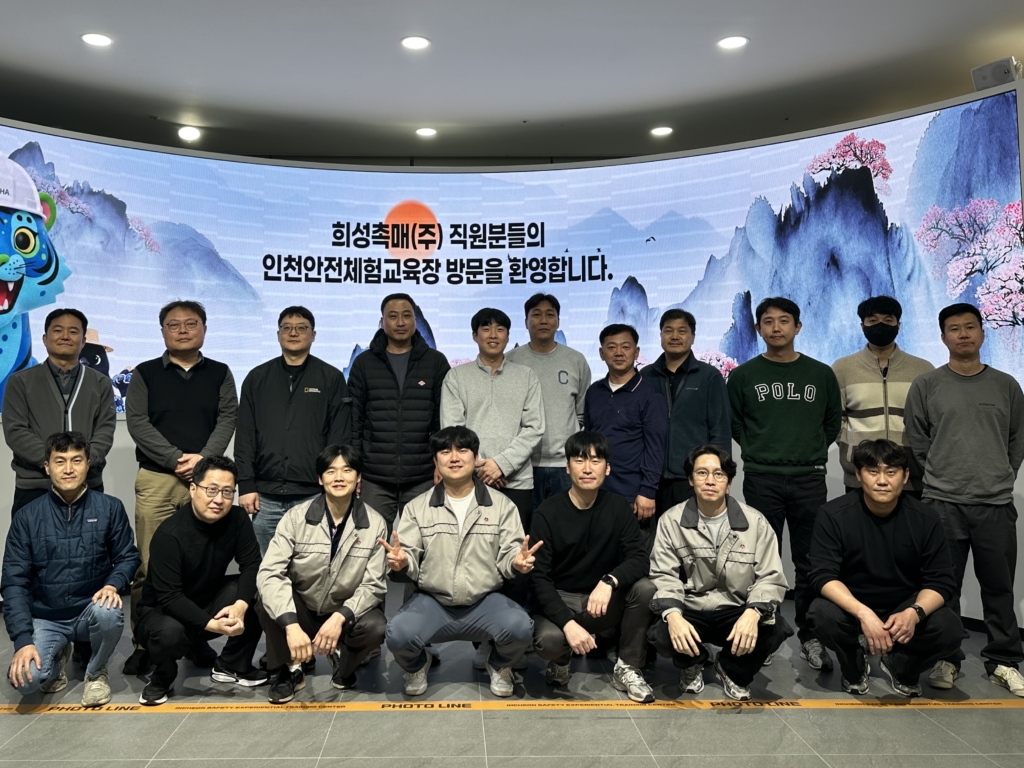
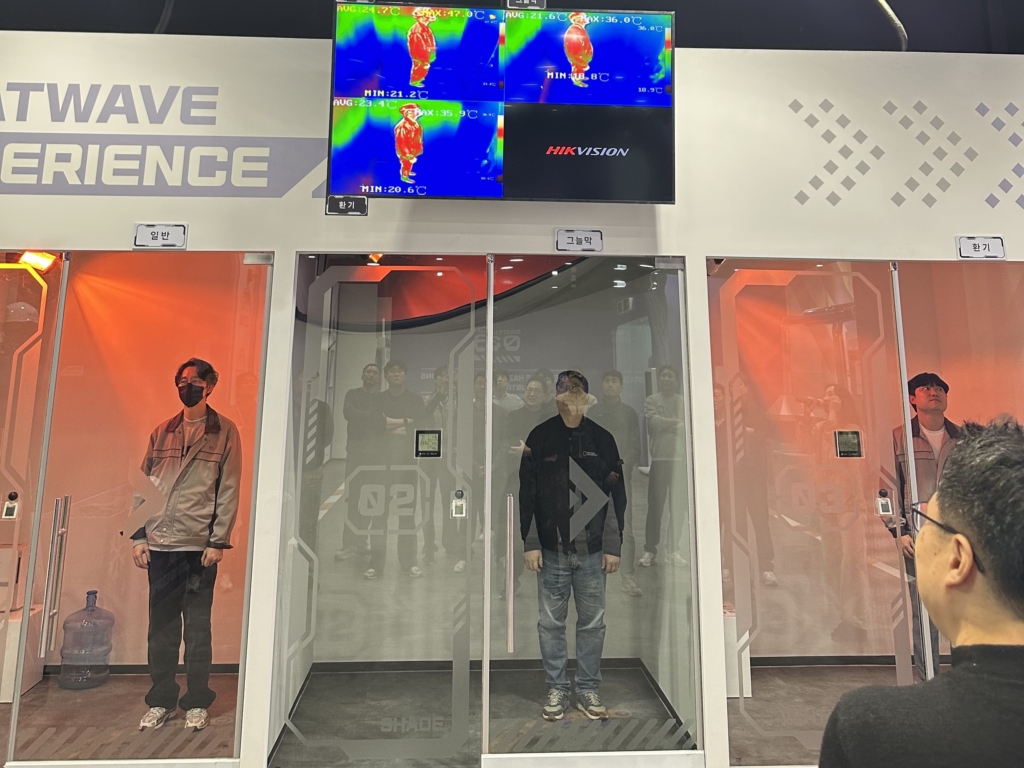
In addition, supervisors visited a safety experience center where they participated in various experiential programs and reviewed real accident cases. The program provided valuable opportunities to better understand workplace risks and the importance of accident prevention.
Continuous Safety Practices and Field-Centered Inspections
Beyond education, Heesung Catalysts continues to strengthen practical safety activities and workplace inspections.
One example is the daily TBM (Tool Box Meeting), where employees review the day’s work plan, discuss potential hazards, and confirm safety precautions before beginning work. During the Safety 100 campaign, TBM activities have been further reinforced to promote more active discussions on workplace risks and preventive measures.
The company also operates a digital hazard reporting system that allows employees to easily submit safety concerns and improvement suggestions identified in the workplace. Submitted reports are reviewed by relevant departments, enabling potential risks to be addressed before they develop into incidents.
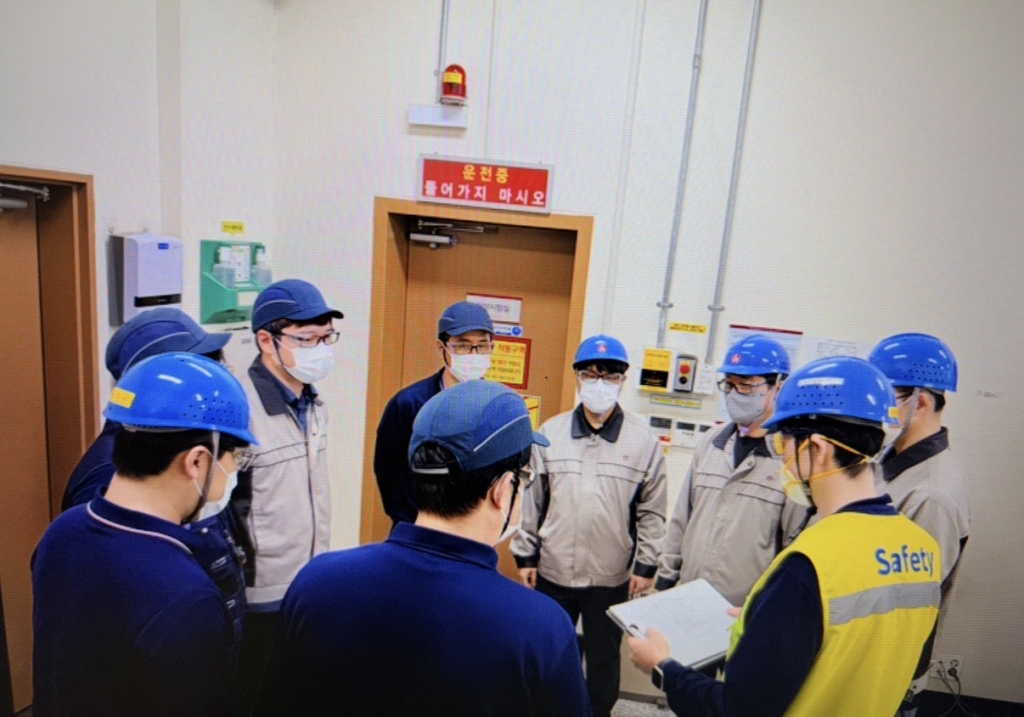
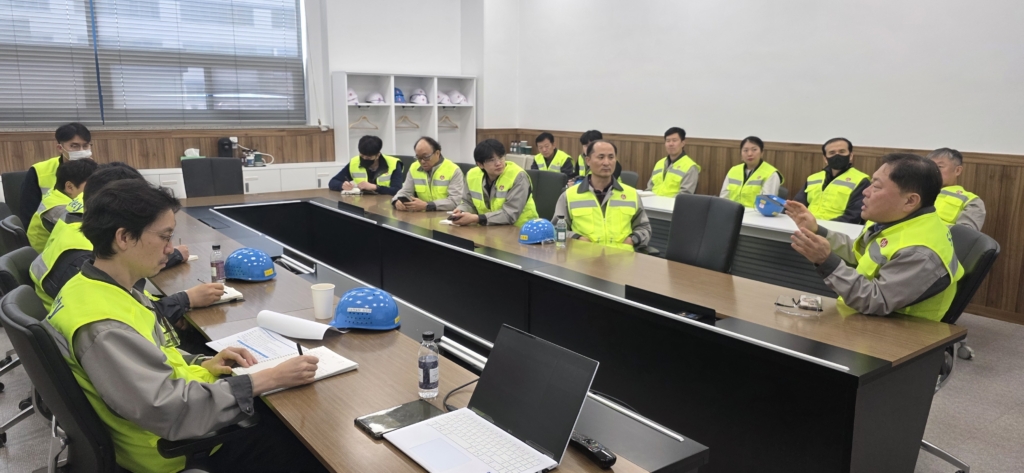
Management and department leaders continue to review safety performance and improvement initiatives as a standing agenda item during management meetings, ensuring that safety remains a top organizational priority.
In addition, dedicated safety personnel conduct routine workplace inspections and support improvement activities across operational areas.
Weekly joint inspections led by the Occupational Safety and Health Committee are also conducted with participation from both labor and management representatives. These inspections help identify workplace improvement opportunities, review compliance with safety requirements, and encourage open communication regarding safety concerns.
Through these efforts, Heesung Catalysts continues to foster a workplace culture where safety is created and maintained together by both the company and its employees.
Continuing the Journey Toward a Stronger Safety Culture
Safety 100 is more than a campaign—it is a collective commitment by all employees to create a safer workplace.
Heesung Catalysts will continue to strengthen workplace safety culture through ongoing improvements in workplace organization, safety capability development, and field-centered safety practices.
Later this month, the company will conduct a final evaluation of the Safety 100 campaign, reviewing key achievements and improvement cases from across the organization. The results, along with future initiatives and next steps, will be shared in a future update.
We appreciate your continued interest and support as we continue our journey toward a safer workplace and a stronger safety culture.
